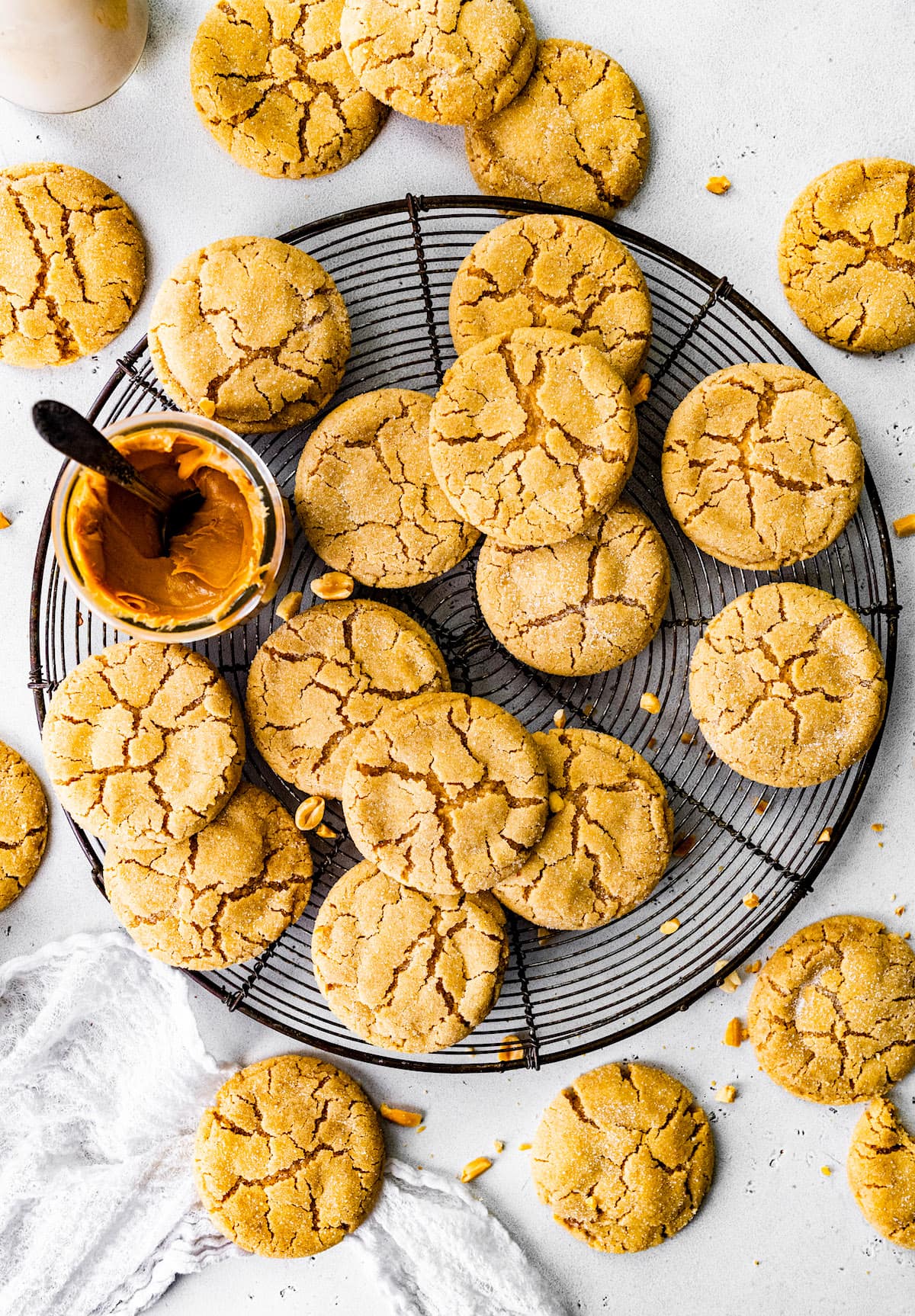
Ultimate Soft Peanut Butter Cookies: Your New Go-To Recipe
Craving that perfect balance of chewy edges and a melt-in-your-mouth soft center? Look no further! These ultimate soft peanut butter cookies are designed to deliver an unforgettable experience with every bite. Easy to make, bursting with rich peanut butter flavor, and requiring just 9 simple ingredients, this recipe will quickly become a cherished favorite in your baking repertoire. Forget complicated steps or lengthy dough chilling – we’re focusing on pure, unadulterated cookie bliss, ready in record time. Whether you're a seasoned baker or just starting your culinary journey, our comprehensive guide, packed with pro tips, ensures your success in creating the most delicious
Easy Soft Peanut Butter Cookies: No Chilling Required you'll ever taste.
The Secret to Unbeatable Softness: 9 Essential Ingredients
Achieving that coveted soft and tender texture in peanut butter cookies starts with understanding the role each ingredient plays. Here are the 9 simple components that come together to create cookie perfection:
- All-Purpose Flour: This provides the primary structure for your cookies. We use just enough to bind the dough without making it tough.
- Baking Soda: Our leavening agent! Baking soda reacts with the acidic brown sugar to create carbon dioxide, which helps the cookies rise and achieve a wonderfully soft, slightly airy texture.
- Salt: Don't underestimate salt! It's a flavor enhancer that balances the sweetness and brings out the rich nutty notes of the peanut butter.
- Unsalted Butter (Softened): Butter provides richness and moisture. Using softened butter is crucial for creaming effectively with the sugars, incorporating air, and ensuring a tender crumb. Room temperature butter (soft enough to indent with a finger but not melted) is key.
- Light Brown Sugar (Packed): The magic behind chewiness and moisture! Brown sugar, with its molasses content, contributes to the soft, moist texture that prevents cookies from becoming dry or crumbly.
- Granulated Sugar: This provides sweetness and helps with the cookie's spread and crisping of the edges. The combination of both sugars creates a balanced texture.
- Creamy Peanut Butter: The star of the show! Opt for a standard, processed creamy peanut butter (like Jif or Skippy) rather than natural, oil-separated varieties for consistent results and that classic flavor profile. Its fats contribute significantly to the cookie's tenderness.
- Large Egg: The binder! An egg helps to emulsify the ingredients, adds richness, and contributes to the cookie's overall structure and chewiness.
- Vanilla Extract: A crucial flavor enhancer that complements and deepens the peanut butter flavor, adding warmth and complexity to every bite.
Choosing quality ingredients and ensuring your butter and egg are at room temperature are small but mighty steps toward making the best
The Best Soft Peanut Butter Cookies: Flavorful & Simple possible.
Crafting Perfection: Step-by-Step Guide to Your Soft Peanut Butter Cookies
Ready to bake? Follow these easy steps to transform your simple ingredients into extraordinary soft peanut butter cookies.
- Prepare Your Workspace: Begin by preheating your oven to 350°F (177°C). Line a couple of large baking sheets with parchment paper. While optional, parchment paper is a game-changer – it prevents sticking, promotes even baking, and makes cleanup a breeze!
- Whisk the Dry Ingredients: In a medium bowl, whisk together the all-purpose flour, baking soda, and salt. Set this aside. This step ensures that the leavening and seasoning are evenly distributed throughout your cookies.
- Cream the Wet Ingredients: In a large mixing bowl, using an electric mixer, beat the softened unsalted butter, packed light brown sugar, and granulated sugar together. Mix for 1-2 minutes until the mixture is light, fluffy, and well combined. This process incorporates air, which contributes to the cookies' light texture.
- Add Remaining Wet Ingredients: Next, beat in the creamy peanut butter, large egg, and vanilla extract until fully incorporated. It’s a good practice to stop the mixer, scrape down the sides of the bowl with a spatula, and mix again briefly. This ensures all ingredients are uniformly combined, preventing pockets of unmixed butter or sugar.
- Combine Wet and Dry: Gradually add the whisked dry ingredients to the wet ingredients. Mix on low speed until just combined. Be careful not to overmix! Overmixing develops gluten, which can lead to tougher, less soft cookies. Stop mixing as soon as you no longer see streaks of dry flour.
- Scoop, Roll, and Mark: Using a cookie scoop (about 1.5 tablespoons), scoop out dough balls. Gently roll each ball in extra granulated sugar for a delightful sparkle and a slight textural crunch. Place the sugared dough balls about 2 inches apart on your prepared baking sheets. Using the tines of a fork, gently press down on each cookie dough ball in a criss-cross pattern. This iconic fork mark isn't just for tradition; it helps flatten the cookies uniformly, encouraging even spreading and baking for that perfect soft texture.
- Bake to Perfection: Bake the cookies for 10 to 12 minutes, or until the edges are lightly golden, and the centers appear set but still look slightly soft and puffy. The key to soft cookies is often to slightly underbake them – they will continue to set as they cool.
- Cool and Enjoy: Remove the baking sheets from the oven and let the cookies cool on the sheets for 5 to 10 minutes. This allows them to firm up without becoming brittle. Then, carefully transfer the cookies to a wire rack to cool completely. Cooling on a wire rack allows air circulation, preventing the bottoms from getting soggy.
Beyond the Basics: Pro Tips for Ultimate Softness and Convenience
Mastering these
Easy Soft Peanut Butter Cookies: No Chilling Required means understanding the nuances that elevate them from good to truly ultimate.
Why No Chilling is Key (and When to Consider It)
Our recipe emphasizes skipping the dough chilling step, and for good reason! Chilling dough often makes it firmer and reduces spread, which can sometimes lead to a denser cookie. For ultimate softness and a quicker bake, not chilling means the dough remains softer, allowing for more spread and a tender, melt-in-your-mouth texture. However, if your kitchen is exceptionally warm, or you find your dough too sticky to handle, a quick 15-30 minute chill in the refrigerator can make it easier to roll, without significantly impacting the final softness.
Perfecting the Peanut Butter Choice
As mentioned, the type of peanut butter makes a difference. For that classic soft peanut butter cookie texture and flavor, creamy, shelf-stable peanut butter (e.g., Jif, Skippy) is generally recommended. Natural peanut butters, which often separate oil and solids, can lead to a dryer, crumblier cookie due to their different fat and sugar content. If you must use natural peanut butter, ensure it's well-stirred and be prepared for potential slight variations in texture.
Freezing Dough for Future Cravings
These cookies are so good, you'll want them on demand! Luckily, the dough freezes beautifully. Simply scoop and roll the dough balls as directed (you can skip the sugar roll and fork marks for now, or add them before baking). Place them on a parchment-lined baking sheet and flash freeze for about an hour until solid. Transfer the frozen dough balls to an airtight freezer-safe bag or container, and store for up to 3 months. When a craving strikes, simply place the frozen dough balls on a prepared baking sheet, roll in sugar and make fork marks if desired, and bake for an additional 2-4 minutes over the original bake time (no need to thaw!). This is a fantastic way to always have fresh,
The Best Soft Peanut Butter Cookies: Flavorful & Simple whenever you wish.
Troubleshooting Common Cookie Woes
*
Cookies are too flat: This could be due to butter being too soft or melted, not enough flour, or an oven that isn't hot enough. Ensure your butter is softened, not melted, and check your oven temperature with a thermometer.
*
Cookies are too crumbly: Often a sign of too much flour or not enough fat/liquid. Measure your flour accurately (using the spoon-and-level method if you don't use a scale).
*
Cookies are hard: This almost always means they've been overbaked. Remember to pull them from the oven when the edges are set, but the centers still look slightly soft.
Storage for Lasting Freshness
To maintain their ultimate softness, store your cooled soft peanut butter cookies in an airtight container at room temperature for up to 3-4 days. For an extra boost in moisture, try adding a half slice of plain white bread to the container; the cookies will absorb moisture from the bread, keeping them wonderfully soft.
Conclusion
There you have it – the ultimate guide to creating truly soft peanut butter cookies that are easy, flavorful, and incredibly satisfying. By understanding the role of each of the 9 simple ingredients and implementing these pro tips, you're now equipped to bake a batch that will impress everyone (including yourself!). This recipe redefines what a homemade peanut butter cookie can be, making it an essential addition to your recipe collection. So go ahead, preheat your oven, gather your ingredients, and prepare to indulge in the absolute best soft peanut butter cookies you’ve ever experienced!